Did You Know?
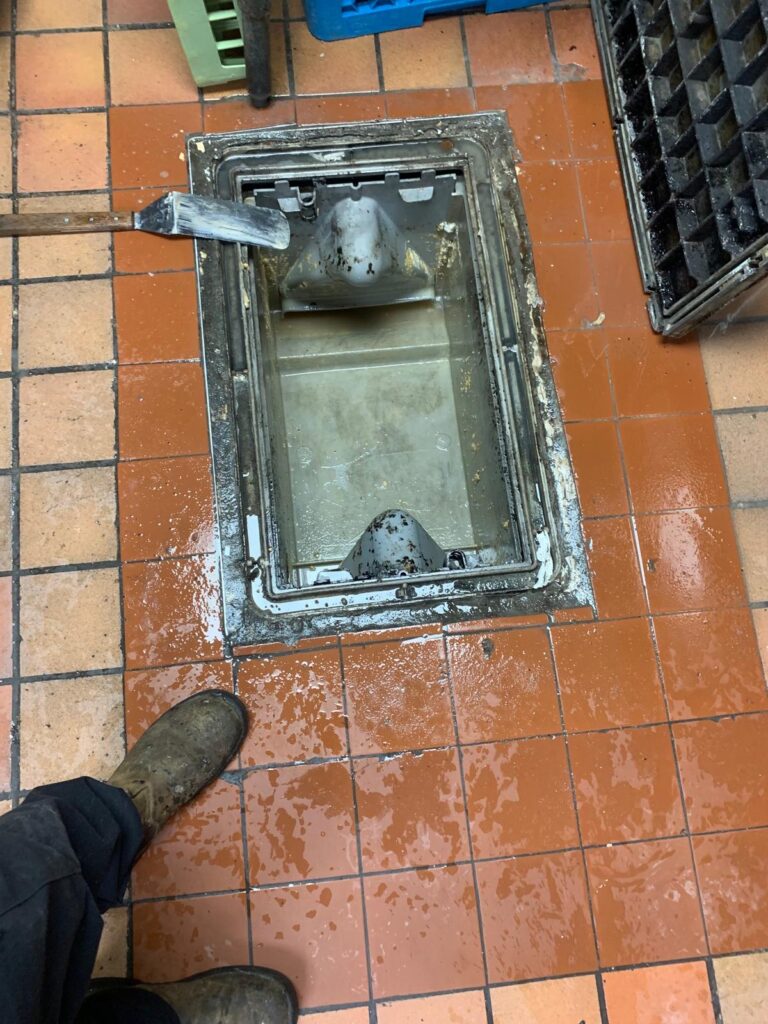
Cleaning the grease interceptor regularly is a requirement of the Sewer Use Bylaw and will reduce odours and backups and lower plumbing costs. Grease interceptor waste is a great source of energy. Grease interceptor residuals can be recycled for animal feed or energy production.
Myth:
Running hot water and soap or degreasers down the drain with fats, oil or grease will stop it from hardening inside the pipe.
Fact:
Water and oil do not mix. Fats, oil and grease will eventually cool and harden in the pipe causing a blockage. The use of enzymes, bacteria, solvents, hot water or other chemicals to facilitate the passage of oil and grease in sewers is illegal in York Region.
Myth:
Pouring fats, oil and grease down the drain is acceptable as long as a food waste grinder is used.
Fact:
Food waste grinders do not eliminate fats, oil, and grease. Instead, grease travels through the system and hardens inside sewer lines, where it can cause serious blockages, foul odours, and costly plumbing failures. Grease traps are designed to capture these materials before they enter the sewer system , but only if they are properly maintained and serviced.