Restaurant Oil and Grease Best Management Practices
Effective management of fats, oils, and grease (FOG) is essential for keeping restaurant plumbing systems running smoothly and avoiding costly blockages or sewer backups. Simple daily practices such as scraping food waste into the trash, wiping grease from pots and pans before washing, and never pouring oil down sinks or floor drains can significantly reduce the amount of grease entering your drainage system.
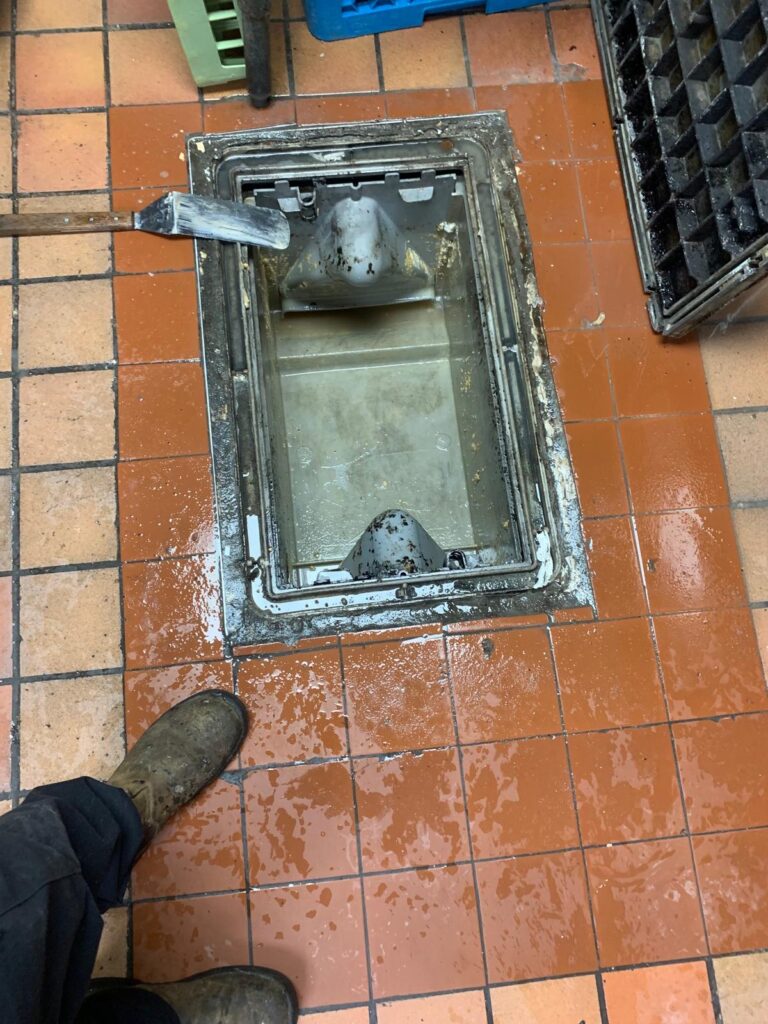
Grease traps and interceptors play a critical role in capturing FOG before it reaches the sewer, but they only work properly when they are regularly inspected, cleaned, and maintained. Establishing a routine grease trap service schedule helps prevent overflows, unpleasant odours, and compliance issues, while also extending the life of your plumbing system. Staff training and clear kitchen procedures are key components of an effective grease management program.
By following proven oil and grease best management practices, restaurants can minimize disruptions, protect local infrastructure, and maintain a safe and sanitary kitchen environment. Proper FOG control not only helps avoid fines and emergency repairs but also supports sustainable operations and demonstrates a commitment to responsible business practices.